
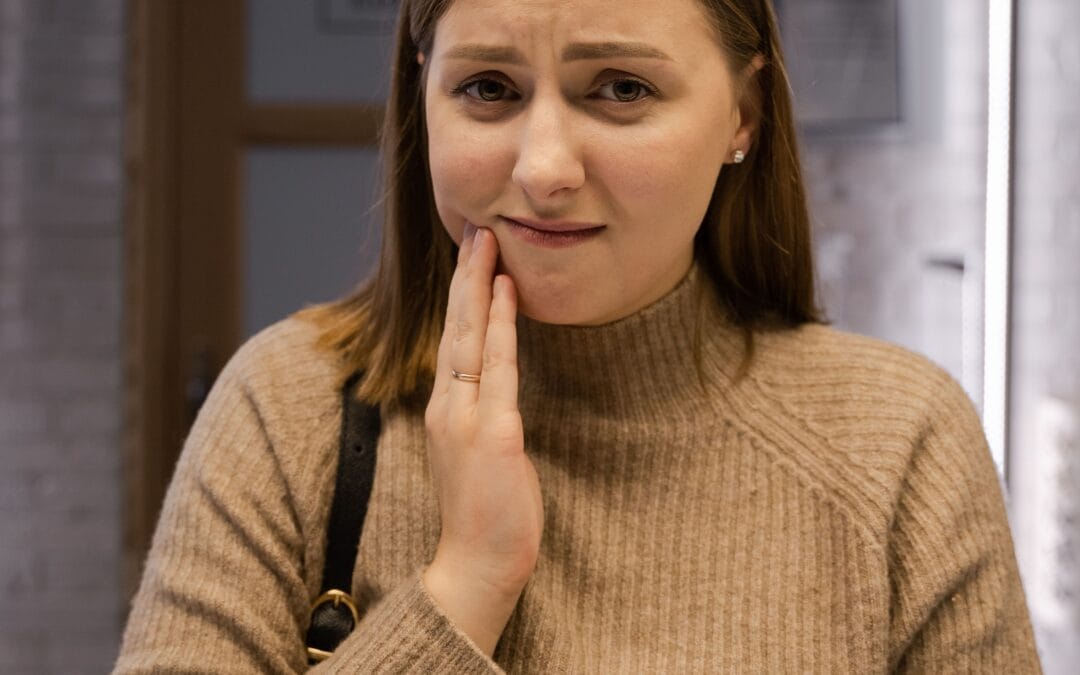
Tooth pain can range from a mild sensitivity to severe, throbbing discomfort that makes it difficult to eat, sleep or concentrate. While some dental pain may be temporary, persistent or worsening tooth pain can be a sign of an underlying dental problem that requires treatment.
At Peaks Family Dentistry in Collingwood, we help patients identify the cause of tooth pain and determine the appropriate treatment. Whether your discomfort is caused by a cavity, cracked tooth, dental infection, gum problem or another issue, finding the underlying cause is the first step toward getting relief.
What Causes Tooth Pain?
There are many possible causes of tooth pain. Some of the most common include: Tooth Decay and Cavities
One of the most common causes of tooth pain is tooth decay. As a cavity becomes deeper, it can begin to affect the sensitive inner layers of the tooth.
Early cavities may cause no symptoms at all. As decay progresses, you may notice sensitivity to cold, sweets or hot foods. Deeper decay can eventually cause a persistent toothache or severe pain.
A dental examination and X-rays, when clinically appropriate, can help determine whether decay is responsible for your symptoms.
A Cracked or Broken Tooth
A cracked tooth can cause sharp or unpredictable pain, particularly when chewing. Some patients experience pain when biting down or when releasing their bite, while others notice sensitivity to hot or cold foods.
Cracks can be difficult to see and may not always appear clearly on an X-ray. Your dentist will assess the tooth, your symptoms and the surrounding structures to determine whether a crack may be responsible.
Dental Infection or Abscess
A dental infection can cause significant tooth pain. As bacteria reach the inner portion of a tooth, the dental pulp can become inflamed or infected.
Symptoms can include:
- Persistent or throbbing tooth pain
- Pain when chewing
- Sensitivity to hot or cold
- Swelling around the tooth or gums
- A bad taste in the mouth
- Facial swelling
- Fever or feeling unwell
An untreated dental infection can become more serious. If you have tooth pain accompanied by swelling, you should contact a dentist promptly.
Tooth Sensitivity
Not every painful tooth is caused by a cavity.
Tooth sensitivity can occur when the protective enamel becomes thinner or when the tooth’s root becomes exposed. Patients may experience a short, sharp sensation when consuming cold drinks, hot foods, sweets or acidic foods.
Sensitivity can have several causes, including gum recession, enamel wear, cavities, cracked teeth or previous dental treatment. A dental examination can help determine the cause rather than simply treating the symptom.
Gum Disease
Problems with the gums can sometimes cause discomfort around a tooth or several teeth. Gum disease may also cause bleeding when brushing or flossing, swollen gums, bad breath or gum recession.
If gum disease progresses, the tissues and bone supporting the teeth can become damaged. Regular dental examinations and professional cleanings are important for maintaining healthy gums.
Grinding and Clenching
Grinding or clenching your teeth can place considerable stress on your teeth and jaw. Over time, this can contribute to tooth sensitivity, cracks, worn enamel and pain when chewing.
Some people grind their teeth primarily at night and may not realize they are doing it. Your dentist can look for signs of excessive wear and discuss appropriate treatment options.
Why Does My Tooth Hurt When I Bite Down? Pain when biting down is an important symptom that should not be ignored. It can be associated with several conditions, including:
- A cracked or fractured tooth
- Tooth decay
- Inflammation of the dental pulp
- An infection around the root
- A loose or damaged filling
- A dental crown that needs assessment
- Problems with the way your teeth come together
If one particular tooth hurts when you bite, especially if the pain is sharp or new, a dental examination can help determine the cause.
Why Does My Tooth Hurt With Cold or Hot Drinks?
Sensitivity to temperature can occur when the nerves inside a tooth become irritated or when the protective layers of the tooth are compromised.
Brief sensitivity that disappears quickly may have a relatively straightforward cause, such as exposed dentin or gum recession. However, lingering pain after hot or cold exposure can sometimes indicate inflammation affecting the pulp of the tooth.
If temperature sensitivity is new, becoming more intense or lasting after the stimulus is removed, it is worth having the tooth assessed.
When Is Tooth Pain a Dental Emergency?
Not every toothache requires emergency treatment, but some symptoms should be assessed promptly.
Contact a dentist as soon as possible if you experience:
- Severe or persistent tooth pain
- Pain that is preventing you from sleeping or functioning normally
- Facial or jaw swelling
- Swelling around a tooth or gums
- A broken or cracked tooth with pain
- A knocked-out or significantly loosened tooth
- Persistent bleeding
- Fever associated with dental pain
- A bad taste or drainage from around a tooth
- Numbness or loss of feeling associated with a painful tooth
At Peaks Family Dentistry, urgent dental concerns are prioritized, and our team will work to arrange same-day care when possible.
If you are experiencing significant facial swelling, difficulty breathing or swallowing, or other symptoms suggesting a serious infection or injury, seek immediate medical attention.
Can Tooth Pain Go Away on Its Own?
Sometimes tooth pain temporarily improves without treatment. However, pain going away does not necessarily mean the underlying problem has been resolved.
For example, dental pain caused by decay or inflammation may fluctuate. In some cases, the nerve inside a severely damaged tooth can stop responding, causing the pain to temporarily disappear. The underlying infection or damage may still remain.
For this reason, persistent or recurring tooth pain should be evaluated rather than repeatedly managed at home.
How Is Tooth Pain Treated?
Treatment depends entirely on the underlying cause.
Depending on your diagnosis, treatment may include:
Dental Filling
If tooth decay has damaged a tooth but has not compromised the nerve, a filling may restore the tooth and remove the source of discomfort.
Dental Crown
A crown may be recommended when a tooth has significant structural damage, extensive decay or a large existing restoration.
Root Canal Treatment
If the nerve inside a tooth becomes irreversibly inflamed or infected, root canal treatment may allow the tooth to be preserved.
During a root canal, the infected or damaged pulp is removed, the inside of the tooth is cleaned and disinfected, and the tooth is sealed and restored.
Treatment for Gum Disease
When pain is associated with gum disease, treatment focuses on removing harmful bacteria and addressing the health of the gums and supporting tissues.
Extraction
In some situations, a tooth may be too damaged or compromised to restore predictably. If extraction is necessary, your dentist can discuss options for replacing the missing tooth.
What Can I Do for Tooth Pain Until I See a Dentist? If you are waiting for a dental appointment:
- Avoid chewing on the painful side.
- Avoid foods and drinks that trigger the pain.
- Keep the area clean by brushing and flossing gently.
- Rinse your mouth with warm salt water if your gums are irritated.
- Use over-the-counter pain medication according to the product directions and your own medical circumstances.
- If there is swelling, a cold compress on the outside of the face may provide temporary relief.
These measures may help manage symptoms temporarily, but they do not treat the underlying cause of tooth pain.
Don’t Ignore Persistent Tooth Pain
A toothache is your body’s way of telling you that something may be wrong. While the cause can range from relatively minor sensitivity to a significant dental infection, it is difficult to determine the cause based on symptoms alone.
If your tooth pain is persistent, recurring or getting worse, a dental examination can help identify the problem before it progresses.
Tooth Pain and Emergency Dental Care in Collingwood
If you’re experiencing tooth pain in Collingwood, the team at Peaks Family Dentistry is here to help.
Our dentists can assess painful teeth, perform diagnostic imaging when appropriate, identify the underlying cause and explain your treatment options. When urgent care is needed, our team prioritizes dental emergencies and aims to provide same-day appointments whenever possible.
Whether you’re dealing with a sudden toothache, sensitivity, a cracked tooth, swelling or suspected dental infection, don’t wait for the problem to become worse.
Contact Peaks Family Dentistry in Collingwood at (705) 532-9929 or book an appointment online.
31 Huron Street ,Collingwood, ON L9Y 5T7
(705) 532-9929
We proudly welcome patients and families from Collingwood, Wasaga Beach, the Blue Mountains, Thornbury, Stayner, Creemore, Clearview, Nottawa, Springwater and surrounding communities.