
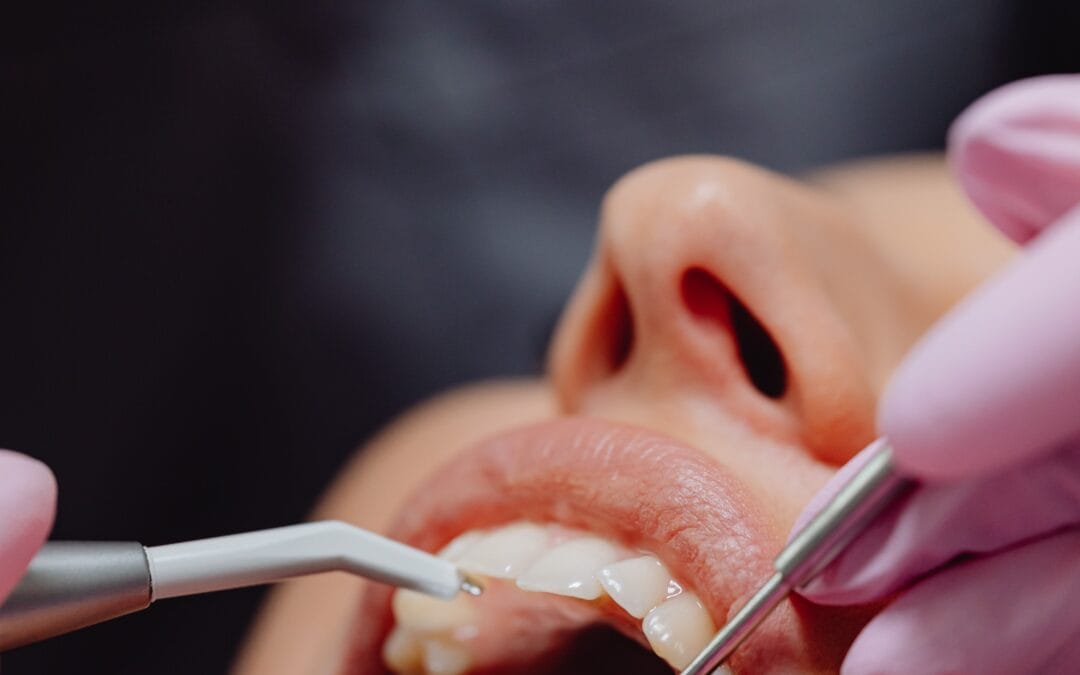
A broken tooth can happen when you least expect it. Whether you bite down on something hard, suffer a sports injury, or notice a tooth suddenly crack while eating, prompt dental care is important. A broken tooth is more than a cosmetic concern—it can lead to pain, infection, and more extensive treatment if left untreated.
At Peaks Family Dentistry in Collingwood, Dr. Sarah McVey and Dr. Jordan Elwood provide prompt care for patients experiencing a broken tooth, cracked tooth, or other dental emergencies. Knowing what to do after a dental injury can help protect your oral health and improve the chances of saving the affected tooth.
What Is a Broken Tooth?
A broken tooth occurs when part of the tooth structure fractures or chips away. The damage can range from a small cosmetic chip to a severe fracture that exposes the nerve inside the tooth.
Common types of tooth damage include:
- Small chips in the enamel
- Fractures that extend deeper into the tooth
- A cracked tooth that may not be immediately visible
- A split tooth
- A broken dental filling or crown
- A tooth fractured below the gumline
Because every situation is different, a dental examination is necessary to determine the extent of the damage and the best treatment option.
Signs You May Have a Cracked Tooth
A cracked tooth is not always easy to see. In many cases, patients experience symptoms long before the crack becomes visible.
Signs of a cracked tooth may include:
- Pain when biting or chewing
- Sensitivity to hot, cold, or sweet foods
- Intermittent discomfort that comes and goes
- Swelling around the affected tooth
- A feeling that something is “off” when chewing
- A suddenly painful tooth without an obvious cavity
Because cracks can worsen over time, it is important to schedule an appointment as soon as symptoms develop.
Is a Broken Tooth a Dental Emergency?
In many cases, yes. A broken tooth should be evaluated by an emergency dentist as soon as possible.
You should seek urgent dental care if you experience:
- Severe pain
- Bleeding that does not stop
- Significant swelling
- A large portion of the tooth breaking off
- Exposure of the tooth nerve
- Signs of infection such as fever or facial swelling
Even if the tooth is not currently painful, delaying treatment can increase the risk of infection and may lead to more complex procedures in the future.
What Should You Do If You Break a Tooth?
If you experience a broken tooth, follow these steps:
- Rinse your mouth gently with warm water.
- Save any broken pieces if possible.
- Apply a cold compress to reduce swelling.
- Avoid chewing on the affected side.
- Take over-the-counter pain medication if needed.
- Contact an emergency dentist promptly.
Avoid using household glues or attempting to repair the tooth yourself. Temporary fixes may worsen the damage or make professional treatment more difficult.
Why Is a Broken Tooth Sometimes Painful?
A painful tooth often occurs when the damage extends beyond the protective enamel layer. Beneath the enamel is dentin, which contains microscopic channels leading toward the tooth nerve.
If a fracture exposes the dentin or reaches the pulp, patients may experience:
- Sharp pain
- Sensitivity to temperature changes
- Discomfort when chewing
- Lingering aches
- Throbbing pain
In some cases, the nerve becomes inflamed or infected, increasing the likelihood that root canal treatment may be necessary.
Treatment Options for a Broken Tooth
Treatment depends on the severity and location of the damage.
Dental Bonding
For minor chips, tooth-colored composite bonding can restore the appearance and function of the tooth.
Dental Crowns
A crown may be recommended when a broken tooth has lost a significant amount of structure. Crowns help strengthen and protect the remaining tooth.
Root Canal Treatment
If the crack or fracture reaches the nerve, root canal treatment may be necessary to remove infected tissue and preserve the tooth.
Dental Extraction
In severe situations where the tooth cannot be repaired, extraction may be the best option. Your dentist can discuss replacement options such as dental implants or bridges.
Can a Cracked Tooth Heal on Its Own?
Unfortunately, a cracked tooth does not heal by itself. Unlike bone, tooth enamel cannot regenerate. Once a crack forms, professional treatment is needed to prevent it from worsening.
Early diagnosis often allows for more conservative treatment and may help preserve more of the natural tooth structure.
How to Prevent a Broken Tooth
While accidents can happen, there are ways to reduce your risk of a broken tooth:
- Wear a mouthguard during sports
- Avoid chewing ice or hard candies
- Do not use your teeth as tools
- Address teeth grinding with a custom nightguard
- Attend regular dental checkups
- Repair old fillings or restorations before they fail
Preventive care can often identify weaknesses before they develop into larger problems.
When to Visit an Emergency Dentist in Collingwood
If you have a broken tooth, cracked tooth, or suddenly painful tooth, prompt evaluation is important. Early treatment can relieve discomfort, prevent infection, and increase the chances of saving the tooth.
At Peaks Family Dentistry, Dr. Sarah McVey and Dr. Jordan Elwood provide compassionate care for dental emergencies and urgent dental concerns. Whether you have a small chip, a severe fracture, or unexplained tooth pain, our team is here to help restore your comfort and oral health.
If you are experiencing a broken tooth or need an emergency dentist in Collingwood, contact Peaks Family Dentistry today to schedule an appointment. Quick treatment can make all the difference in protecting your smile.